 Screen Online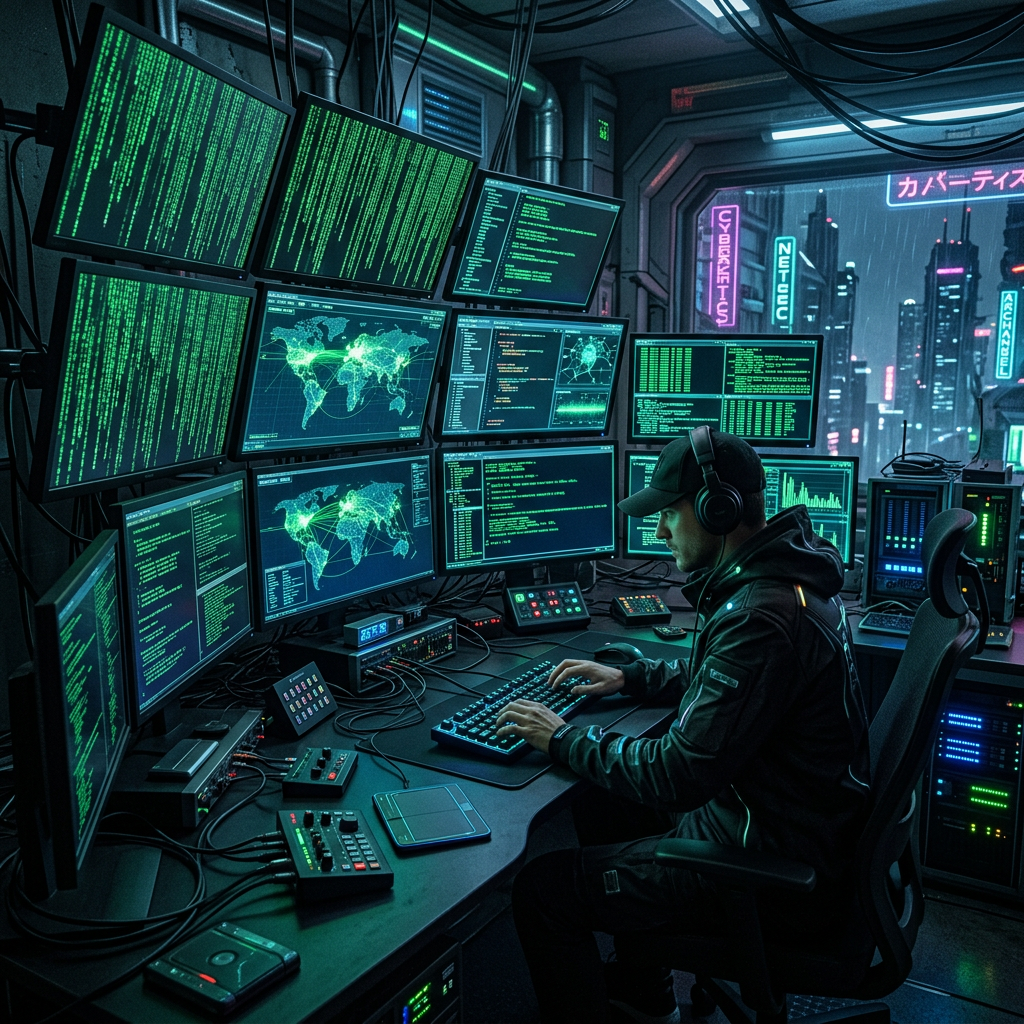
Think of a "hacker" in a movie. What do you see? Almost certainly, it’s a person in a darkened room, typing furiously as rows of mysterious green characters cascade down a monitor.
This visual shorthand—often called "NUI" (Narrative User Interface)—has very little to do with real-world programming, but it has everything to do with the history of cinema. Let's explore how the "Hacker Screen" became a cultural icon.
The Early Days: Terminal Reality (80s - early 90s)
In early films like WarGames (1983) or Sneakers (1992), hacker screens were actually somewhat realistic. They featured monochromatic green or amber text on a black background, mirroring the command-line interfaces (CLI) used by real engineers of the era. The drama came from the text appearing on screen—the slow creep of a "CONNECTION ESTABLISHED" message.
The Cyberpunk Revolution: The Matrix (1999)
The game changed forever with The Matrix. The production designers wanted a way to visualize the "code" of reality. They created the iconic "Matrix Digital Rain"—cascading green Japanese characters (specifically, sushi recipes, according to the designer Simon Whiteley).
This look was so powerful that it redefined the entire "Hacker" aesthetic. Since then, green-on-black text has become the universal signal for "something technical is happening."
The Hollywood Hacking Paradox
Real-world hacking is mostly reading logs, trial-and-error, and social engineering. It's slow and, frankly, boring to watch on a big screen. Movie directors have a "Boredom Problem," so they solve it with:
- Rapid Motion: Code must move fast to imply complexity.
- 3D Visuals: Hackers "navigate" through 3D data cities (like in Hackers 1995).
- Graphic Alerts: Large red "ACCESS DENIED" windows that blink aggressively.
Why We Love the Aesthetic
Even though we know it’s fake, the "Hacker Screen" aesthetic appeals to our sense of mystery. It represents the "secret language" of computers. It turns cold data into a visual story. This is why "Cyberpunk" continues to be one of the most popular design styles in gaming and digital art.
Experience the Code
Whether you’re a fan of 90s cyberpunk or just want to feel like you’re inside the Zion mainframe, you can try out our Hacker Screen Simulator or the classic Matrix Screensaver.
They are designed to capture that exact cinematic feel—perfect for stream backgrounds, creative projects, or just making your desk look like a high-stakes command center.